

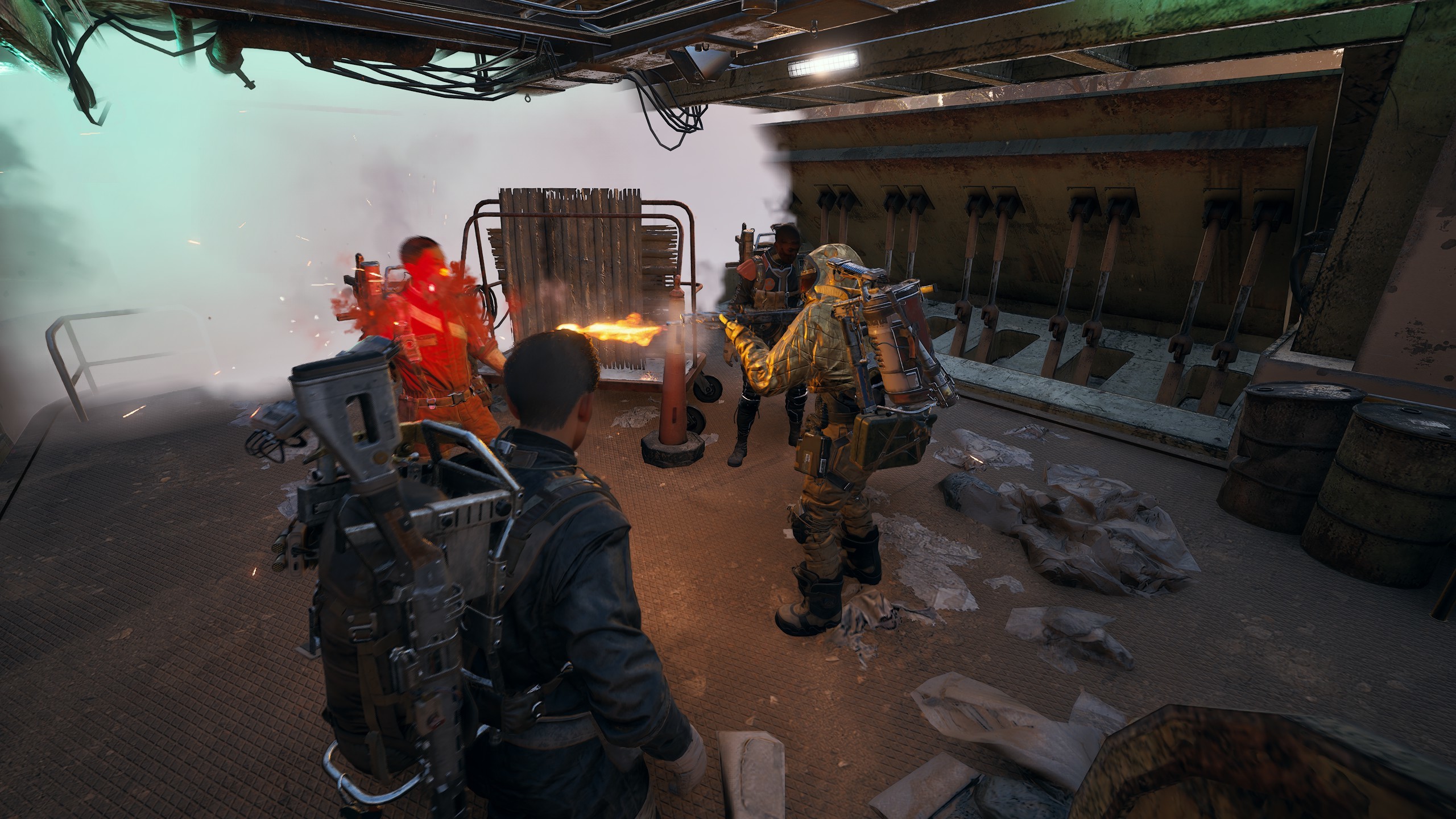
The Player-vs-Environment (PvE) co-op shooter genre is often defined by linear progression and predictable enemy waves. *Arc Raiders*, however, departs radically from this established model, forging a new identity rooted in extreme resource dependency, persistent threat modeling, and forced player ingenuity. This comparative study utilizes the established doctrines of the Resistance to analyze how the game fundamentally redefines the genre through its emphasis on scarcity, asymmetrical combat, and the structural necessity of team interdependence (GTI).
This analysis confirms that *Arc Raiders* elevates the PvE experience from a test of skill to a test of long-term logistical and strategic adaptation.
Redefinition 1: Scarcity as the Primary Antagonist
In traditional PvE shooters, resources are abundant, and the challenge lies in kinetic execution. *Arc Raiders* redefines this by making scarcity the primary antagonist. The Logistical Planning Optimization (LPO) doctrine—the necessity of scavenging, crafting, and rigorously conserving every makeshift bullet—pushes the game beyond simple combat.
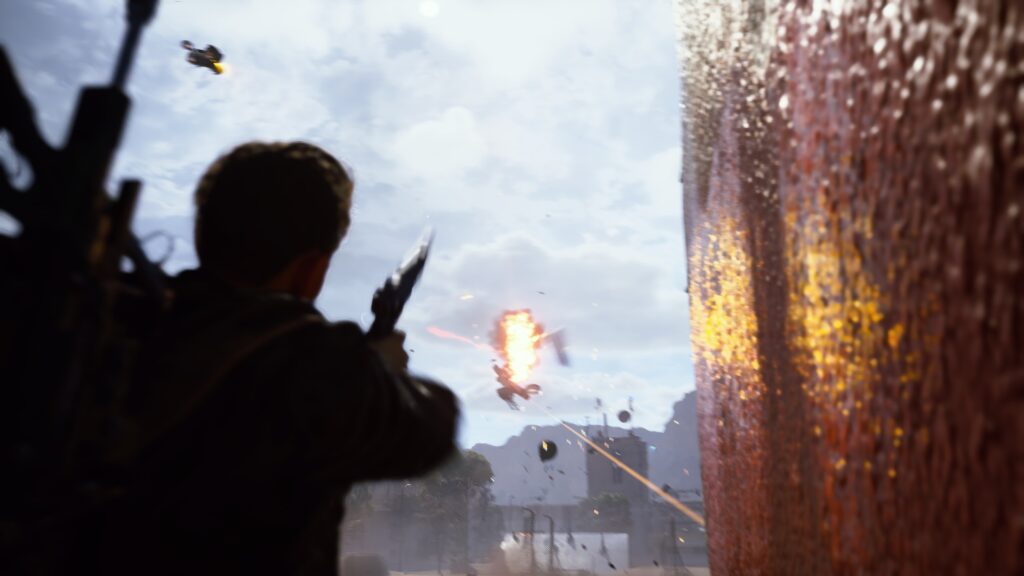
The enemy is not just the machine, but the finite nature of human supplies. This forces a strategic mindset where the successful use of a single Fusion Charge is judged by its Ammunition Conservation yield, not just its damage output.
Redefinition 2: Asymmetrical Warfare and Threat Modeling
Traditional PvE assumes technological parity or human superiority. *Arc Raiders* operates under the strict rules of Asymmetrical Warfare Doctrine (AWD). ARC possesses infinite logistics and adaptive AI (AAD), while Raiders possess finite, repurposed tools. This mandates the strategic prioritization of complex, nuanced tactics (TCA, CVT, ABM) over straightforward brute force. The game forces players to engage in intellectual combat, rewarding calculated strategy over raw firepower—a marked departure from wave-based shooters.
Redefinition 3: Structural Interdependence (GTI)
Many co-op shooters allow individual players to succeed solo. *Arc Raiders* structurally enforces Genuine Team Interdependence (GTI). The high cost of specialized gear, the necessity of role coverage (TCT), and the critical vulnerability after incapacitation (DMT) mean that no single player can effectively tackle high-tier threats. The game mechanics—from the limited range of the Shield Wall to the required cover for the Designated Marksman—mandate synchronization (CP) and mutual reliance, elevating teamwork from a desirable feature to a survival requirement.
Redefinition 4: The Dynamic and Persistent Threat (PIEs)
Unlike games featuring static mission structures, *Arc Raiders* incorporates Dynamic Narrative Evolution (DNE) and Persistent Consequence. Player-Influenced Events (PIEs) and continuous changes in ARC patrol patterns (ABA) ensure that the environment is never fully conquered. This persistent, evolving threat keeps the gameplay loop fresh and necessitates continuous adaptation of the tactical Meta, preventing the stale predictability common in mission-based formats.
| Genre Metric | Traditional Co-op Shooter | *Arc Raiders* (AWD) |
|---|---|---|
| **Resource Supply** | Abundant, purchased via in-mission currency. | Extremely scarce, scavenged, and crafted (LPO). |
| **Engagement Focus** | Sustained kinetic firepower. | Precision, disruption, and geometry (TCA, BTM). |
| **Difficulty Model** | Linear enemy health/damage scaling. | Non-linear adaptation and pattern nullification (AAD). |
The Centrality of Traversal and Environment
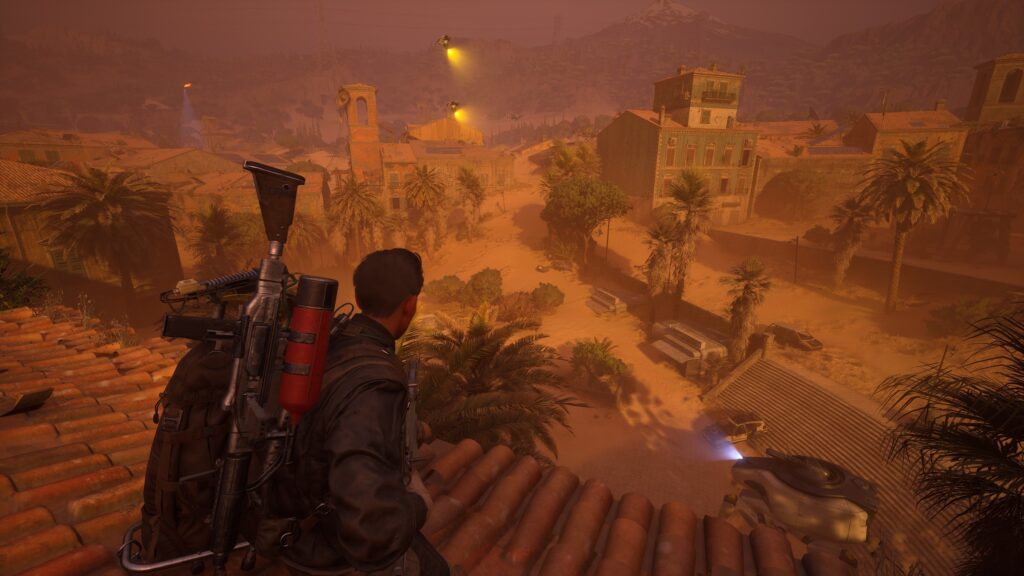
The mechanical freedom provided by the Grappling Hook and the destructible environment fundamentally alters engagement geometry (VHS, EW). The third dimension is always a factor, rewarding players who use mobility not just for speed, but for tactical advantage and survival—a crucial layer of complexity often missing when combat is restricted to flat, static maps.
Conclusion: The Strategy of Survival
*Arc Raiders* redefines the PvE co-op genre by making survival a strategic, logistical, and psychological challenge, rather than a purely mechanical one.
It demands ingenuity, reinforces teamwork, and structurally forces players to embrace the philosophical tenets of the Resistance. This reliance on adaptation and creative problem-solving positions the game as a new standard for emergent co-op experiences.