

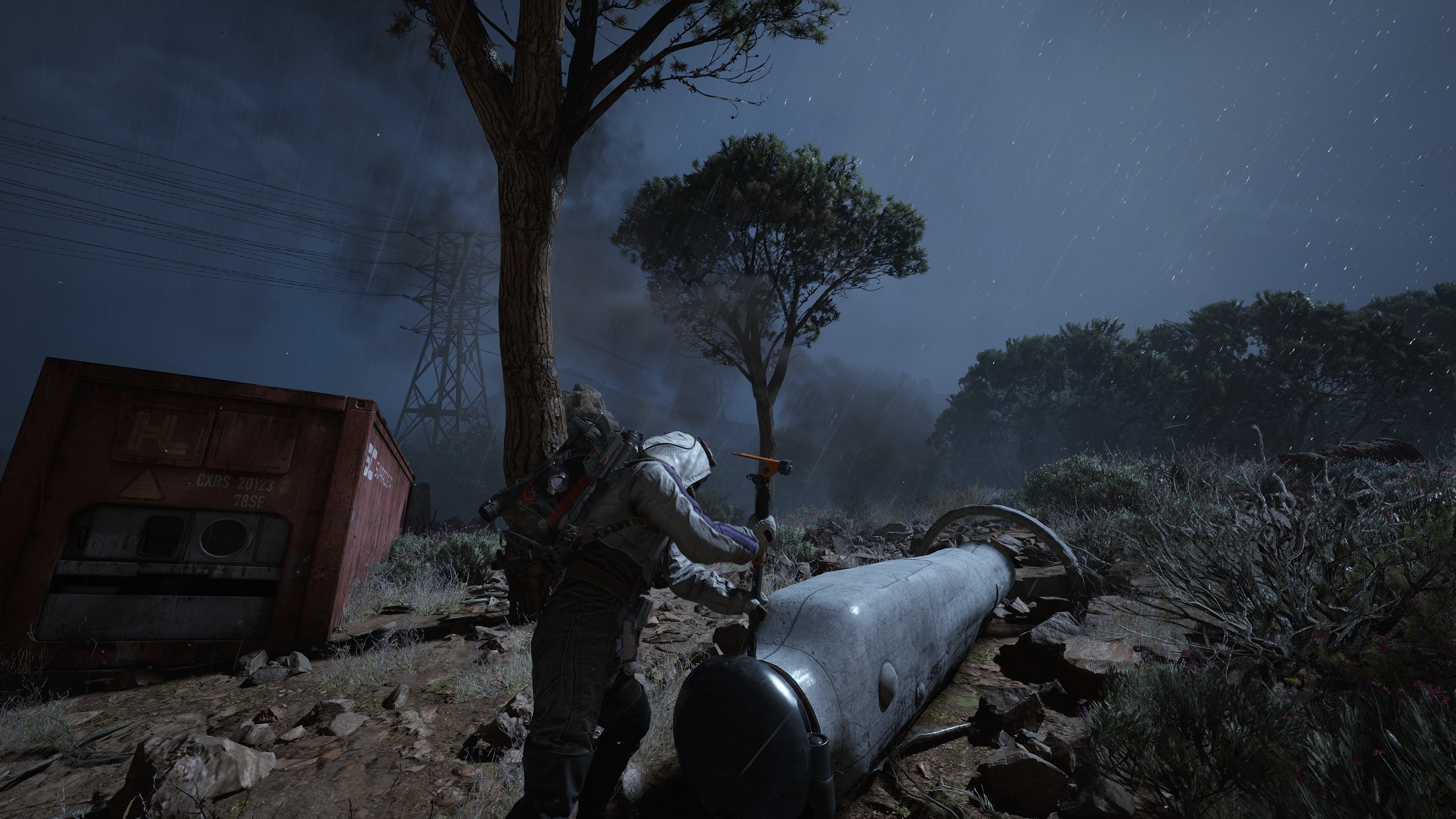
Early deployments in Arc Raiders introduce players to a hostile world where enemy behavior is not immediately readable, creating a sense of unpredictability that feels overwhelming at first. Enemies do not simply react to gunfire; they patrol, reposition, and escalate in ways that punish careless movement. During these first deployments, players often mistake danger for randomness, assuming encounters spiral out of control without warning. In reality, the game is quietly teaching behavioral logic through repetition. Enemy machines follow patterns shaped by terrain, sound, and proximity. Learning these patterns is less about memorization and more about observation, as survival depends on recognizing intent before engagement begins.

Early Misinterpretation of Threat Behavior
New players often interpret early deaths as unavoidable because enemy responses feel sudden and overwhelming. Machines appear to arrive unexpectedly, apply pressure relentlessly, and punish hesitation instantly. However, this perception stems from limited exposure rather than true randomness. Enemies respond to sound, movement, and positioning in consistent ways that are not immediately obvious. Without understanding these triggers, players unknowingly invite escalation. Early deployments expose this gap between perception and reality, forcing players to confront the fact that danger is usually provoked, not spontaneous. Recognizing this shift is the first step toward control.
Observation Replacing Reaction

As deployments continue, players who survive longest begin prioritizing observation over reaction. They notice patrol routes, response delays, and engagement thresholds. Enemy machines rarely act without cause, and their aggression follows logic tied to player behavior. By slowing down and watching instead of advancing impulsively, players uncover patterns that transform encounters from chaotic to predictable. This change does not reduce difficulty, but it replaces panic with clarity. Players stop reacting blindly and start anticipating outcomes based on what they have already seen unfold multiple times.
Behavior Patterns That Shape Early Survival
Several recurring enemy behavior patterns emerge during early Arc Raiders deployments.
- Patrol routes that respond to repeated noise exposure
- Escalation when multiple machines are alerted simultaneously
- Delayed reinforcement rather than immediate overwhelm
- Terrain-based advantages that favor stationary enemies

Recognizing these patterns allows players to avoid triggering unnecessary conflict.
Learning Through Consequence Rather Than Instruction
Arc Raiders does not explain enemy behavior directly. Instead, it relies on consequence to teach. Players who rush, fire excessively, or linger in exposed areas consistently experience escalation. Those who adapt their pace and positioning encounter fewer surprises. This learning model feels harsh initially, but it creates lasting understanding. Patterns learned through failure tend to persist far longer than those explained through tutorials. By the end of early deployments, players who pay attention begin predicting enemy movement with confidence rather than fear.
Conclusion
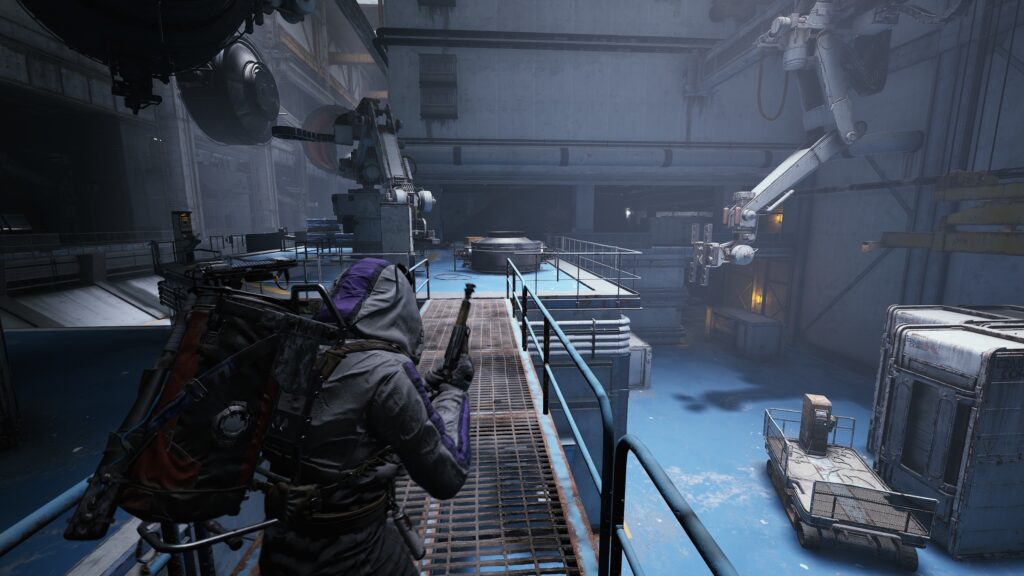
Learning enemy behavior patterns during early Arc Raiders deployments transforms survival from confusion into control. What initially feels unpredictable reveals structure through observation and repetition. Players who slow down and study enemy responses gain the ability to shape encounters rather than endure them. Early deployments are not tests of reflex, but lessons in awareness that define long-term success.