

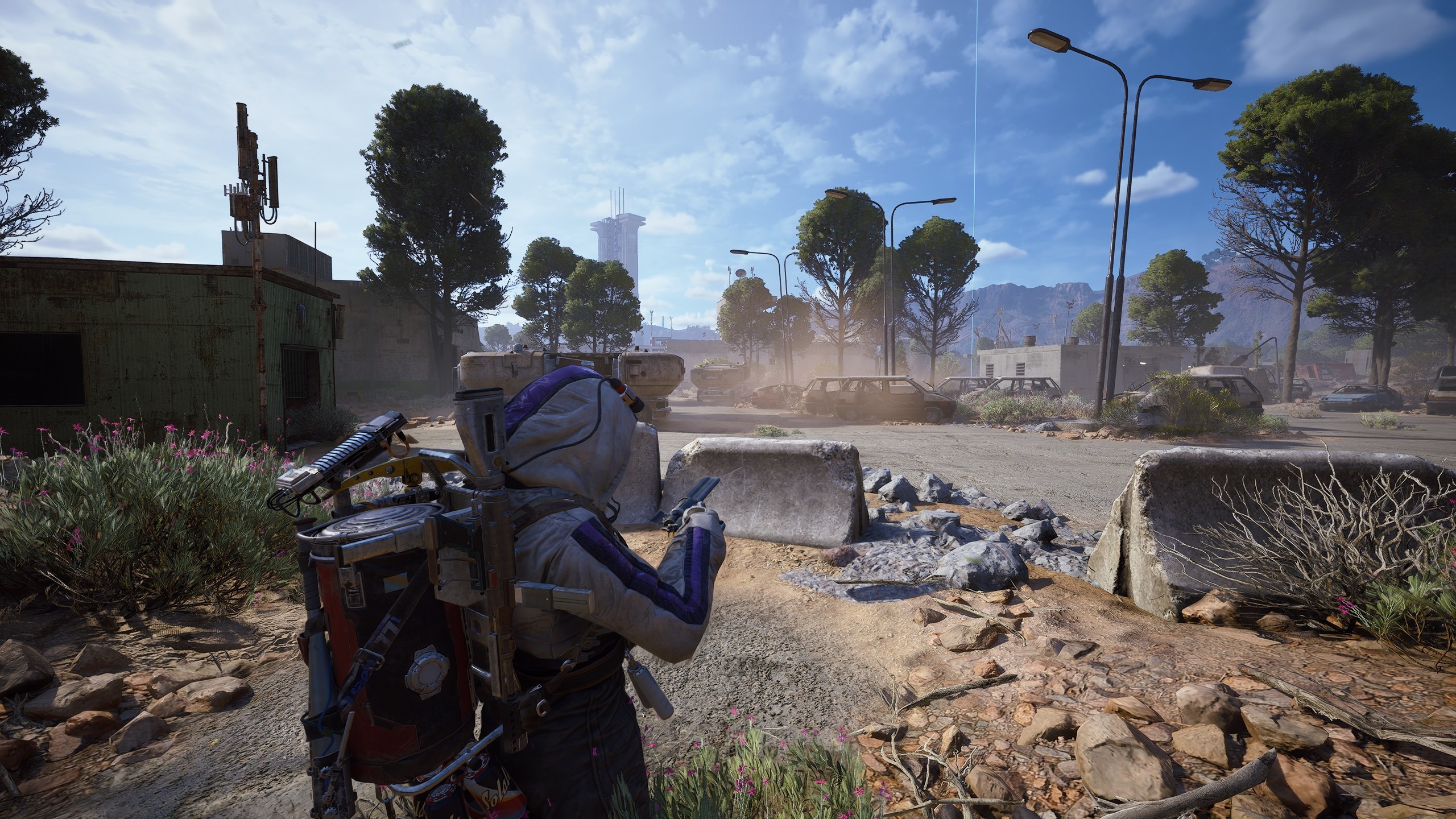
Vehicles are critical, high-value assets used for rapid logistical deployment (LPO), resource transport, and, in emergency scenarios, kinetic shock delivery (KET). Their functionality hinges entirely on rigorous, consistent maintenance and field repair protocols. **Mobility Asset Integrity (MAI) Protocol** is the doctrine dedicated to ensuring that these fragile, repurposed transports remain operational under extreme conditions, minimizing downtime and mitigating the risk of vehicle-related mission failure.
This analysis details the common vulnerabilities of Raider vehicles, outlining the necessary pre-deployment checks and high-stress field repair procedures required to maintain mobility advantage.

Vehicle Vulnerabilities and ARC Targeting (TCM)
Repurposed civilian and industrial transports are structurally weak. ARC units, particularly aerial assets and DMs, prioritize vehicles due to their high visibility and speed. MAI focuses on mitigating the three primary vulnerabilities:
- **Kinetic Damage to Chassis:** High susceptibility to kinetic rounds, leading to rapid degradation of armor integrity.
- **Tire/Track Loss:** Punctures or track damage lead to immediate loss of speed and control, immobilizing the vehicle and transforming it into a static target.
- **Engine/Fuel Cell Breach:** Damage to the power source risks catastrophic failure, often leading to an uncontrolled explosion (EHM).
Pre-Deployment Maintenance Checklist
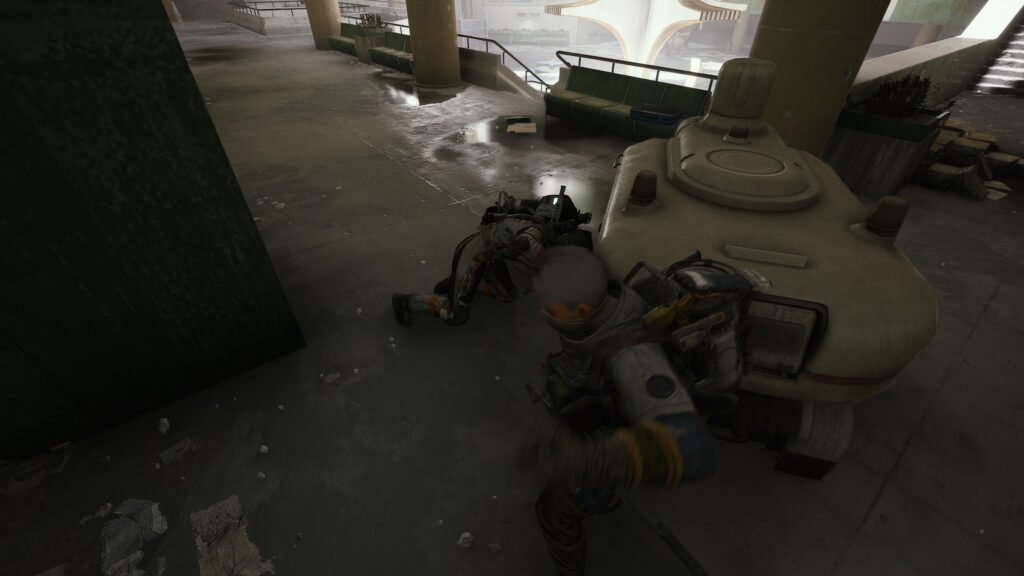
MAI begins in the Community Hub, ensuring the vehicle is structurally sound before leaving the safe zone:
| Component Check | MAI Requirement | Material Cost (RCT) |
|---|---|---|
| **Chassis Plating** | 100% integrity; reinforcement with Refined Alloys. | Tier II Refined Alloys. |
| **Tires/Suspension** | Full tread; adequate pressure; redundant spares stored. | Tier I/II Crude Polymers. |
| **Fuel Cell Stability** | Shielding verified; fuel level maximized. | Tier III Fusion Core fragments (for shielding). |
High-Stress Field Repair Protocol
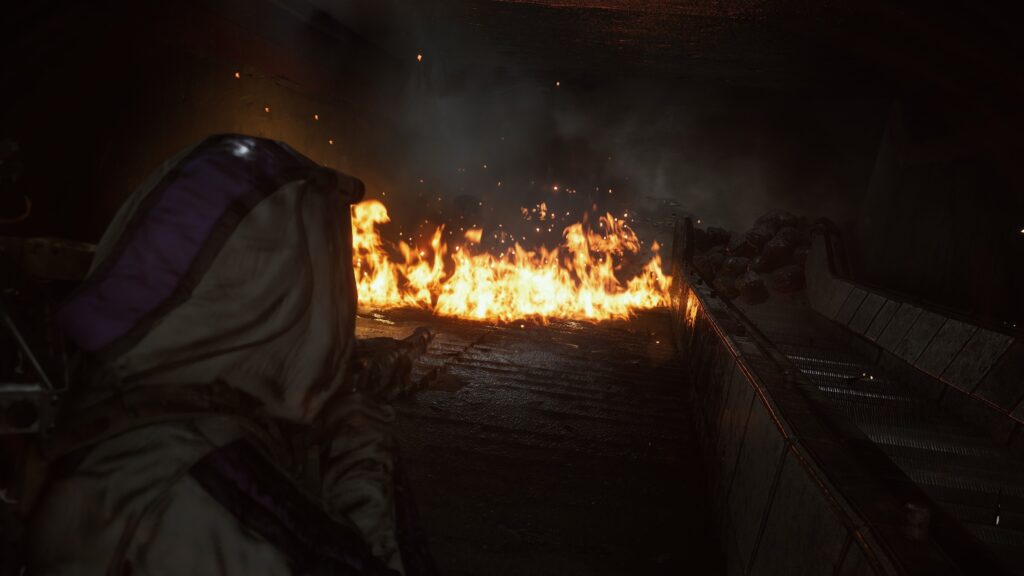
Field repair must be executed rapidly under fire. If the vehicle is immobilized (e.g., flat tire, engine stall), the entire squad must deploy active defense (Shield Wall, smoke/VIS) to cover the repair specialist. The repair specialist utilizes low-kinetic, quick-set polymer patches and metal plating to restore minimal functionality, prioritizing mobility over structural perfection.
MAI and Asset Denial Decision
If repair is impossible and the vehicle is severely compromised, the squad must immediately transition to the Kinetic Ejection Theory (KET) protocol. The vehicle is abandoned, and its remaining momentum is weaponized against the nearest ARC threat. MAI mandates that the decision to abandon is a tactical one, not a desperate reaction.
Conclusion: The Engine of Logistics
The operational viability of the Resistance hinges on maintaining functional mobility assets. Mobility Asset Integrity Protocol ensures that vehicles are treated as the high-value, fragile war assets they are. Through rigorous maintenance and disciplined field repair, Raiders sustain their logistical reach, ensuring they can outmaneuver the predictable, ground-based logistics of the ARC Collective.